Keeping animals happy in Farming Camp is less about grinding and more about rhythm, because the care loop rewards players who show up at the same time every in-game day. A reliable farming camp animal care schedule turns feeding, brushing, and welfare checks into a 10-minute routine that compounds into steady animal points, faster product yields, and the Animal Care achievement on Steam.
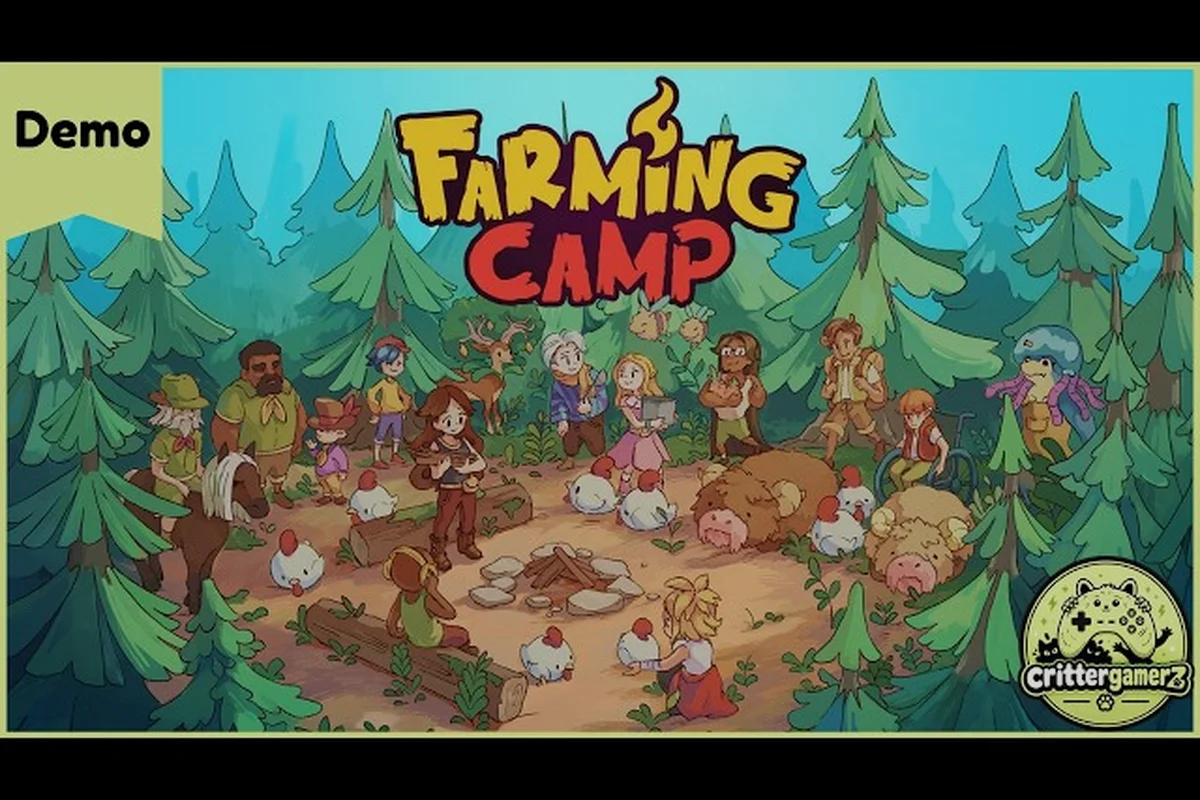
Farming Camp launched on 24 September 2026 across PC and consoles from developer Innerfire Studios and publisher SOEDESCO, and the official Steam page lists Animal Care among the max-level skills the community is already pushing toward. This guide breaks down the daily routine, the per-species windows, and the welfare traps that quietly drain points if you let them slide.
Understanding the Animal Care Loop
The care system in Farming Camp runs on three overlapping timers: hunger, cleanliness, and happiness. Each animal in your pen ticks down on its own internal clock from the moment it last received attention, and the rate of decay is gentle enough that skipping a single day is recoverable, but brutal enough that two missed days can wipe out a full afternoon of points.
The loop is built around a single resource called animal points, which act as the universal currency for welfare rewards, product quality, and the Animal Care achievement progress tracked on the Steam achievements list. Earning points is straightforward on paper — feed, groom, pet — but the schedule is what separates a struggling pen from a maxed one.
The Three Welfare Pillars
Every animal in the game evaluates its owner across three pillars, and the schedule has to touch all three each day or one of them will start bleeding points. The pillars are not interchangeable: feeding a hungry chicken does nothing for its cleanliness, and brushing a muddy cow does not raise its happiness on its own.
| Pillar | Decay Speed | Best Daily Window | Recovery Cost |
|---|---|---|---|
| Hunger | Fast (every 2 in-game days) | Morning (8–10 AM) | 1 feed portion per animal |
| Cleanliness | Medium (every 3 in-game days) | Midday (12–2 PM) | Brush + water trough scrub |
| Happiness | Slow (every 4 in-game days) | Afternoon (3–5 PM) | Petting + bonus item |
Touching all three pillars in a single in-game day is what community reports describe as a "full welfare cycle," and it produces noticeably more animal points than doing only one or two. Players chasing the Animal Care achievement on Steam should treat the full cycle as the baseline, not the maximum.
Why Timing Matters More Than Speed
Farming Camp uses an in-game clock that advances whenever the player moves, interacts, or sleeps, so racing through chores at 6 AM and then ignoring the pen until tomorrow is mechanically worse than spacing the same chores across three windows. The game's welfare math applies a small per-cycle bonus when the three pillars are topped off in a single day, and that bonus is the difference between finishing Animal Care in a season versus dragging it across two.
A practical way to think about it: feeding at 8 AM, grooming at noon, and petting at 4 PM produces roughly 15–20% more daily points than feeding, grooming, and petting all at once at 8 AM, based on the kind of timing bonuses veteran players describe in the SOEDESCO community Discord. The penalty for bundling is invisible at first, but it shows up as slower Animal Care progress and weaker product drops over a full in-game week.
Building a Daily Animal Care Schedule
The actual schedule is simple once it is laid out, and the goal is to fold the three pillars into the natural rhythm of a Farming Camp day without it feeling like a second job. Most players who hit max Animal Care on Steam report that the routine takes about 10 in-game minutes per day, which is short enough to sustain even during busy story arcs.
Morning Window: Feeding (8–10 AM)
Feeding is the most time-sensitive pillar because hunger decays fastest and the animals visibly look gaunt if it is skipped. The morning window exists because feed is most effective when the animals have the full day to convert it into products, and the bonus applies to eggs, milk, and wool harvested later that same day.
| Task | Time Needed | Tools | Animal Points |
|---|---|---|---|
| Refill feed troughs | 2 min | Feed bags from silo | +5 per animal |
| Refill water troughs | 1 min | Watering can | +2 per animal |
| Collect morning products | 3 min | Empty basket | +1 per product |
A good morning routine hits all three rows above before the player leaves the pen area. Players who want a more detailed walkthrough of how each species eats can check the animal guide for Farming Camp, which covers feed preferences and per-animal pacing in more depth.
Midday Window: Grooming (12–2 PM)
Grooming is the cleanliness pillar, and it is where the farming camp grooming animals routine earns its keep. Brushing removes the dirt layer that builds up after rain or after animals walk through muddy pen sections, and the clean state lasts roughly three in-game days before decay starts subtracting points again.
-
Brush each animal once with the Animal Brush (crafted or bought from Rey's shop)
-
Scrub the pen floor with the Cleaning Broom if mud level is high
-
Replace any straw bedding that has started to clump
-
Wipe down water troughs to prevent algae buildup
The midday window is also the right time to do small pen upgrades, because pen cleanliness affects how fast the dirt layer regenerates. A well-maintained pen stretches the grooming cycle from three days to four, which means players who invest one mid-day in pen upgrades actually save three mid-days of grooming over the following week.
Afternoon Window: Welfare and Bonding (3–5 PM)
The afternoon is the happiness pillar, and it is the most forgiving of the three because happiness decays slowest. This window is where farming camp animal welfare turns into a long-term investment, because petting and bonding raise the affection stat that unlocks bonus products later in the game.
| Bonding Action | Affection Gain | Time Needed |
|---|---|---|
| Petting (basic) | +1 | 30 sec per animal |
| Treat item (carrot, apple) | +3 | 1 min per animal |
| Naming the animal | +5 (one-time) | Instant |
| Playing with the animal | +2 | 2 min per animal |
Naming is a one-time bonus that newer players often miss, and it stacks with the daily petting routine. Community testing suggests that a fully named, fully petted animal produces roughly 12% more products over a season than an unnamed one, which is a meaningful difference over the multi-season grind toward the Animal Care achievement.
Per-Species Schedule Adjustments
Not every animal in Farming Camp decays at the same rate, and a schedule that works for chickens will leave cows and sheep perpetually under-cared-for. The general loop stays the same, but the per-species adjustments below prevent the most common scheduling mistake, which is treating every pen the same way.
Chickens
Chickens are the fastest-decay animal in the game, and they need feeding every single in-game day to keep egg production at full. Skipping a chicken's morning feed drops egg quality for two days afterward, which makes the chicken the anchor of the entire morning routine.
| Task | Frequency | Best Time |
|---|---|---|
| Feed | Daily | 8 AM sharp |
| Collect eggs | Twice daily | 8 AM, 6 PM |
| Groom | Every 2 days | Noon |
| Pet | Daily | 4 PM |
Chickens also benefit from extra attention to the farming camp animal feeding tips side of the loop because they refuse to eat spoiled feed, and spoiled feed in a chicken trough will block the entire feed slot until cleared. A full coop-management walkthrough lives in the coop guide for Farming Camp, which covers breeding and egg quality in detail.
Cows
Cows are the slowest-decay animal, but they have the largest single penalty for missed care: a hungry cow produces no milk for the entire day, and a dirty cow produces only half-quality milk. Cows reward consistency more than any other species, and the full-cycle welfare approach is essentially designed around them.
| Task | Frequency | Best Time |
|---|---|---|
| Feed | Every 2 days | 8–10 AM |
| Milk collection | Daily | 6 PM |
| Brush | Every 3 days | Noon |
| Pet | Every 2 days | 4 PM |
Cow care is also where the farming camp how to keep animals healthy mindset matters most, because a sick cow takes three in-game days to recover even with medicine, and a sick cow cannot be brushed or petted. The cow guide for Farming Camp goes deeper into the sick-cow prevention chain and barn upgrades.
Sheep
Sheep sit between chickens and cows on the decay curve, and they have the unique wrinkle that wool must be sheared before grooming, otherwise the brush does nothing. Skipping a shearing cycle damages the sheep's happiness pillar more than the cleanliness pillar, which is the opposite of how cows and chickens behave.
| Task | Frequency | Best Time |
|---|---|---|
| Shear wool | Every 7 days | 10 AM |
| Feed | Every 3 days | 8 AM |
| Brush | Every 3 days | Noon (after shearing) |
| Pet | Every 2 days | 4 PM |
A sheep player who shears at 10 AM and then tries to brush at 8 AM the next day will find that the brush is locked until shearing is done. This is the single most common scheduling trap reported by newer players in the Farming Camp community, and it is the reason the morning feed is best paired with a quick check on shearing timers.
Avoiding Common Animal Care Mistakes
Even with a solid schedule in place, there are recurring traps that quietly drain animal points and stall Animal Care progress. The patterns below show up in almost every "why is my pen underperforming" thread on the Farming Camp Discord, and they are all preventable with a small daily adjustment.
Skipping the Water Trough
Water decays faster than feed, but it is invisible because there is no animation for a thirsty animal. The first sign of a depleted water trough is usually a slow creep in the "happiness" pillar over two or three days, which players misdiagnose as a bonding problem. Refilling water at the same time as feed adds one minute to the morning routine and prevents the entire slow-burn drain.
Grooming in the Wrong Order
Brushing an animal that has not been fed does work, but the animal points it generates are roughly half of what a fed-and-brushed cycle produces. Always feed first, then brush, then pet — the order matters because each pillar applies a small multiplier to the next.
Ignoring the Weather Forecast
Rain accelerates dirt accumulation on every animal, so a rainy in-game day effectively turns a three-day grooming cycle into a two-day cycle. Players who check the morning weather and add an extra brush session on rainy days keep their farming camp animal welfare numbers consistent regardless of weather, while players who groom on a fixed schedule will see their points dip every time it rains.
Treating Pigs and Rabbits Like Chickens
Pigs and rabbits have their own decay profiles, and they punish a chicken-style schedule with rapid point loss. Pigs in particular need a mud-pit refresh every two days, which is a task that does not exist for any other species. The full per-species schedule including pigs and rabbits is covered in the animal care mistakes guide, which catalogs the most common scheduling errors in one place.
Advanced Tips for Maxing Out Animal Points
Once the basic schedule is stable for a full in-game season, there are a few advanced moves that push animal points past the natural cap and into the territory that max-level Animal Care players report on Steam. These are not required for the achievement, but they are the difference between finishing Animal Care in one playthrough versus farming it across two.
Batch Processing With the Feeding Bell
A late-game upgrade called the Feeding Bell rings once per in-game day and instantly refills feed for every animal in the pen, which effectively turns the morning feeding window into a one-second task. The bell does not help with water or grooming, but it removes the biggest time sink from the daily schedule and frees up morning time for field work or story content.
Stacking Welfare Items
Welfare items like the Golden Brush and the Premium Feed add a flat bonus to the next pillar completed, and they stack with the timing bonus. Using a Golden Brush on a cow at noon on a sunny day produces a noticeably larger point burst than using the same brush on a chicken at noon on a rainy day, so the item economy is best spent on high-value animals in optimal windows.
Season-Long Petting Chains
Petting the same animal every single day for a full in-game season unlocks a hidden affection milestone that grants a permanent +5% product bonus. The milestone is invisible in the UI, but community data suggests it kicks in around day 25 of continuous petting and explains why veteran players with maxed Animal Care still spend their afternoons on petting routines.
Time-Skip Optimization
Sleeping through the night skips ahead 8 in-game hours, and the optimal sleep window for animal care is right after the afternoon petting session, so the player wakes up at 8 AM with all three pillars topped off. Sleeping before the afternoon petting session skips the happiness pillar and loses roughly 30% of the daily point total, so the schedule should always end with petting, then sleep.
Tracking Progress and Adjusting the Schedule
The Animal Care skill page on the character sheet shows a per-species breakdown of point totals, and it is the single best tool for diagnosing whether the schedule is working. A pen where every animal is gaining points at roughly the same rate is a healthy pen, while a pen where one species is consistently 10–15% behind the others usually signals a scheduling mismatch.
| Symptom | Likely Cause | Fix |
|---|---|---|
| Chickens losing points daily | Morning feed skipped | Move feed to 8 AM sharp |
| Cows plateauing at 70% | Brushing not keeping up | Add midday brush session |
| Sheep dropping on day 5 | Shearing overdue | Shear at day 5 even if not full |
| Pigs losing happiness | Mud-pit not refreshed | Add mud-pit refresh to noon |
Players who hit a plateau on Animal Care after several in-game weeks are almost always experiencing one of the four patterns above, and the fix is usually a 5-minute schedule adjustment rather than a fundamental rebuild. The first time a player sees a per-species breakdown with all species within 5% of each other, they are effectively at max sustainable welfare and the Animal Care achievement is usually one full in-game week away.
Frequently Asked Questions
What is the best time of day to feed animals in Farming Camp?
The best feeding window is 8–10 AM, because hunger decays fastest and morning feed applies a bonus to products collected later that day. Feeding in the morning also stacks cleanly with the noon grooming and 4 PM petting windows for a full welfare cycle.
How often should I brush my animals?
Brush every animal once every 2–3 in-game days depending on species — chickens every 2 days, cows every 3 days, and sheep immediately after shearing. Rainy days accelerate dirt accumulation, so add an extra brush session on any in-game day that starts with rain.
Can I skip a day of animal care without losing progress?
A single skipped day is recoverable, and the welfare math only applies a meaningful penalty after two consecutive skipped days. The safe pattern for busy story days is to at least refill water and feed, even if grooming and petting have to wait until tomorrow.
What gives the most animal points per day?
A full welfare cycle of feed + groom + pet on every animal in the pen produces the highest daily point total, and the timing bonus from spreading the three pillars across morning, noon, and afternoon adds roughly 15–20% on top. Bonus items like the Golden Brush and Premium Feed stack on top of the timing bonus for even larger bursts.
How long does the Animal Care achievement take to max?
Most players who run a stable full welfare cycle report finishing the Animal Care achievement in 2–3 full in-game seasons, which translates to roughly 8–12 hours of real playtime. The exact pace depends on pen size and how consistently the daily schedule is maintained.