
Characters
Farming Camp character guides: Alessandra, your two farm companions, the rival campers and how dialogue choices and shared chores shape every friendship.
Introduction
Characters are the emotional half of Evertree Farming Camp, and reading them well is a skill like any other. Alessandra anchors the story as the young farmer who joins the camp determined to prove herself worthy of the Evertree Farmer title, and around her the game places two farm companions who share your daily workload alongside a field of rival campers pushing just as hard for the same crown. Friendship behaves like a system here: dialogue choices accumulate, companions register tone as much as content, and the relationships you nurture quietly shape which of the game's multiple endings the story eventually slides toward. Even rival contestants become readable once you know what they respond to, which turns every conversation from decoration into a small decision with consequences that echo through the season.
Cast, Companions, and How Affinity Works
| Figure | Role in Camp | Player Lever | Weight |
|---|---|---|---|
| Alessandra | Protagonist farmer | Reply style | S |
| Farm Companions | Shared workload | Scheduled dialogue | S |
| Rival Contestants | Competitive pressure | Ranking respect | A |
| Friendship System | Accumulated affinity | Choice consistency | Active |
Character Dossiers
Alessandra
The protagonist you play, whose reply style shapes how the camp responds across a season.
Your Two Farm Companions
The pair who share your plot, comment on your routines, and grow closer through conversation.
Rival Contestants
Fellow campers chasing the same crown, whose respect rises and falls with your standing.
Friendship & Dialogue Effects
How affinity accumulates, which replies matter, and where relationship state quietly steers endings.
Core Mechanics
Three layers govern how people behave around you. The first is Alessandra herself, because your dialogue posture, whether you answer earnestly, competitively, or playfully, sets a tone the camp reacts to over repeated scenes rather than in single exchanges. The second layer is the two companions who share your farm: they contribute labor, comment on your schedule, and grow more responsive as affinity builds, so investing conversation time in them returns practical value alongside story payoff. The third layer is the rival campers, whose exchanges carry competitive pressure and whose opinions shift as the ranking changes. Affinity accumulates in small increments across many interactions instead of jumping at one gift or clever line, and those accumulated increments are what eventually route the narrative toward one of the game's multiple endings.
Advantages
The relationship design suits this game's pace because it rewards attention rather than grinding. You do not need optimized gift schedules or spreadsheets; showing up to conversations, choosing replies that match the person in front of you, and doing your share of the farm work already moves affinity in the right direction. Companions also make the labor loop feel inhabited, because a chore done alongside someone who comments on it reads differently from a bar filling in silence. Rivalries add texture as well, and a competitor who respects your effort produces far better scenes than a cartoon villain would. Since dialogue decisions feed multiple endings, replaying for another outcome means meeting the cast again as a slightly different Alessandra, which gives the game a genuinely rewarding second life.
Challenges
The same quietness that makes affinity elegant also makes it easy to misread. The game does not publish numeric relationship meters, so players used to visible bars may feel they are making no progress until a later scene suddenly reframes weeks of small choices. Dialogue options rarely announce their weight either, because a playful reply and a sincere one can look interchangeable until a conversation several days on calls back to what you said. Companions share your farm, so neglect shows up twice: story intimacy stalls and your daily workload feels noticeably heavier. Rivals are the volatile variable, since their attitude partly tracks the ranking you control through other systems, meaning a rough points week can sour a relationship you thought was stable. Multiple endings then punish careless roleplay with outcomes you cannot undo from a menu.
Frequently Asked Questions
Can I ruin a relationship by picking the wrong dialogue option?+
Do rival campers affect anything beyond cutscenes?+
Do companions change how the farm runs day to day?+
Quick Tips
Read a scene before you answer it. Dialogue windows often carry a line of context first, such as a companion's mood, a rival's standing, or what the camp just lived through, and the reply that fits that context is almost always the one that builds affinity. Skimming for the funniest option is fine occasionally, but consistency matters more than any single line you deliver. Save beforehand whenever you want to test a sharper tone without committing to every consequence that follows from it.
Treat your two companions as a standing appointment rather than an afterthought. It is easy to pour hours into missions and rivalries while the people sharing your farm wait quietly by the gate. Anchor one short conversation into your daily schedule, before the evening minigames works particularly well, so affinity accrues at the same steady rate as your points. Relationships built on a schedule survive busy weeks far better than relationships you only remember when the story suddenly demands them.
Keep a clean save parked before the story's heavy junctions. Because multiple endings grow out of accumulated choices, a single playthrough cannot show you every side of the cast, and replaying is the intended way to see it. Save immediately before confession-weight conversations, before rival confrontations, and right before the final evaluation lead-in. Then you can watch one branch to its conclusion, reload that checkpoint, and meet the same characters again as a slightly different Alessandra with a different tone.
Featured
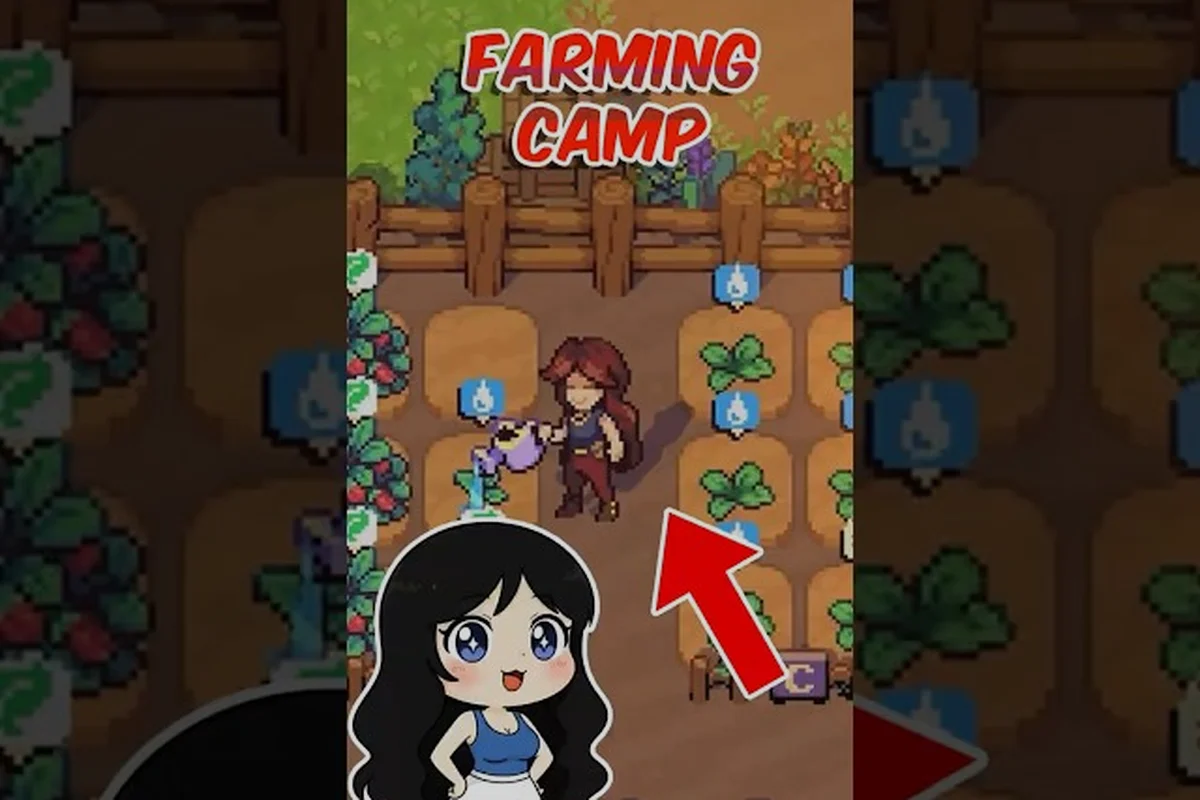
Farming Camp Who Is Alessandra: Evertree's New Farmer
Discover who Alessandra is in Farming Camp — her role as Evertree's new farmer, the cast of supporting characters she meets, and why every gift choice matters.
Farming Camp Characters: Protagonist, Companions & Rivals
Meet every Farming Camp character — from Alessandra to her companions, rivals, and the antagonist shaping the summer at Evertree Camp.
Farming Camp Characters List: Every Camper at Evertree
Meet the full Farming Camp characters list — every camper, their role on the farming crew, and where to find each one around Evertree.
All Articles
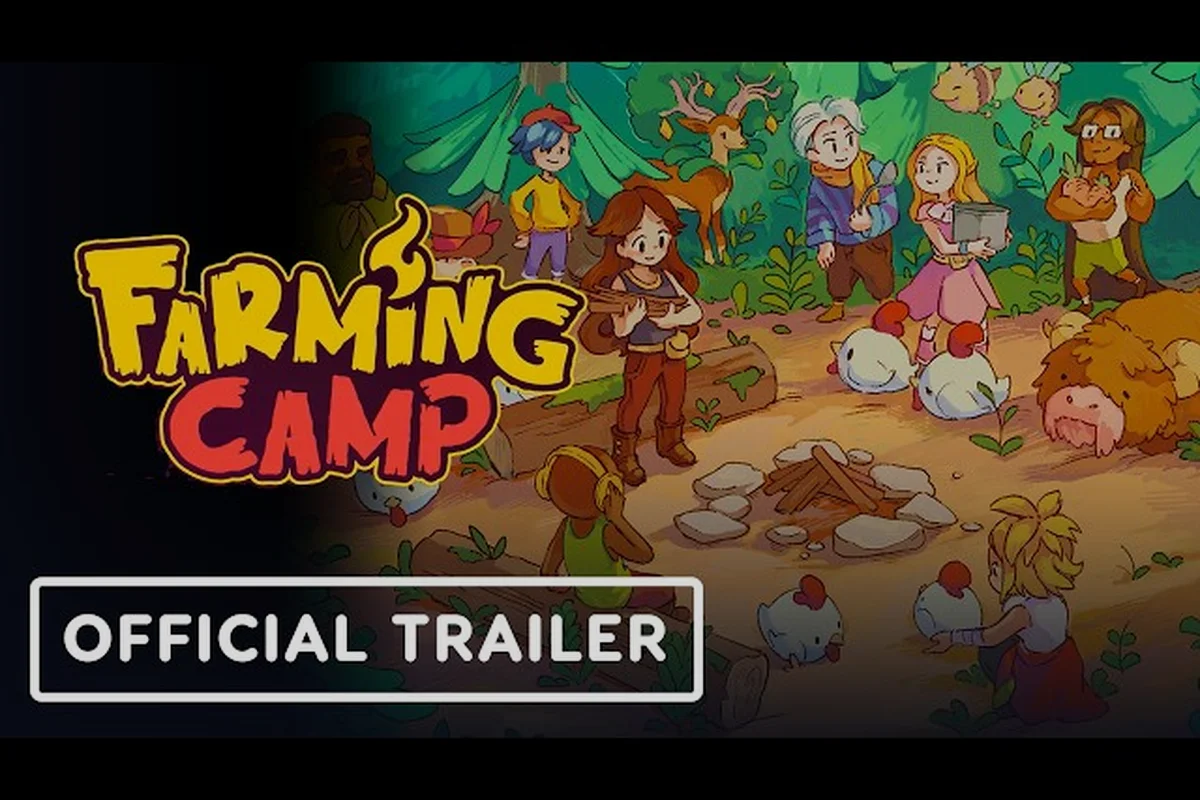
Farming Camp Character Names: Lore, Roles & Evertree Locations
Browse the Farming Camp character names for every camper, with each backstory, camp role, and the exact Evertree spot where they show up across the summer.
Farming Camp Friendship System: Bonds, Dialogue & Perks
Master the Farming Camp friendship system — learn how bonds grow through dialogue options, daily camp sessions, and the perks each companion unlocks.
Farming Camp Camper Dynamics: Personalities & Rivalries
Explore Farming Camp camper dynamics — the personality clashes, team rivalries, and standout quotes that define every companion at Evertree Camp.
Farming Camp How to Raise Affinity: Fastest Bonding Tricks
Learn how to raise affinity in Farming Camp — the fastest ways to bond with campers, unlock their personal stories, and shape their endings.